Standard vs Custom Display Modules: When to Choose Custom Solutions
Insights · 14 September 2026 · 4 min read · By Pratik Jhunjhunwala
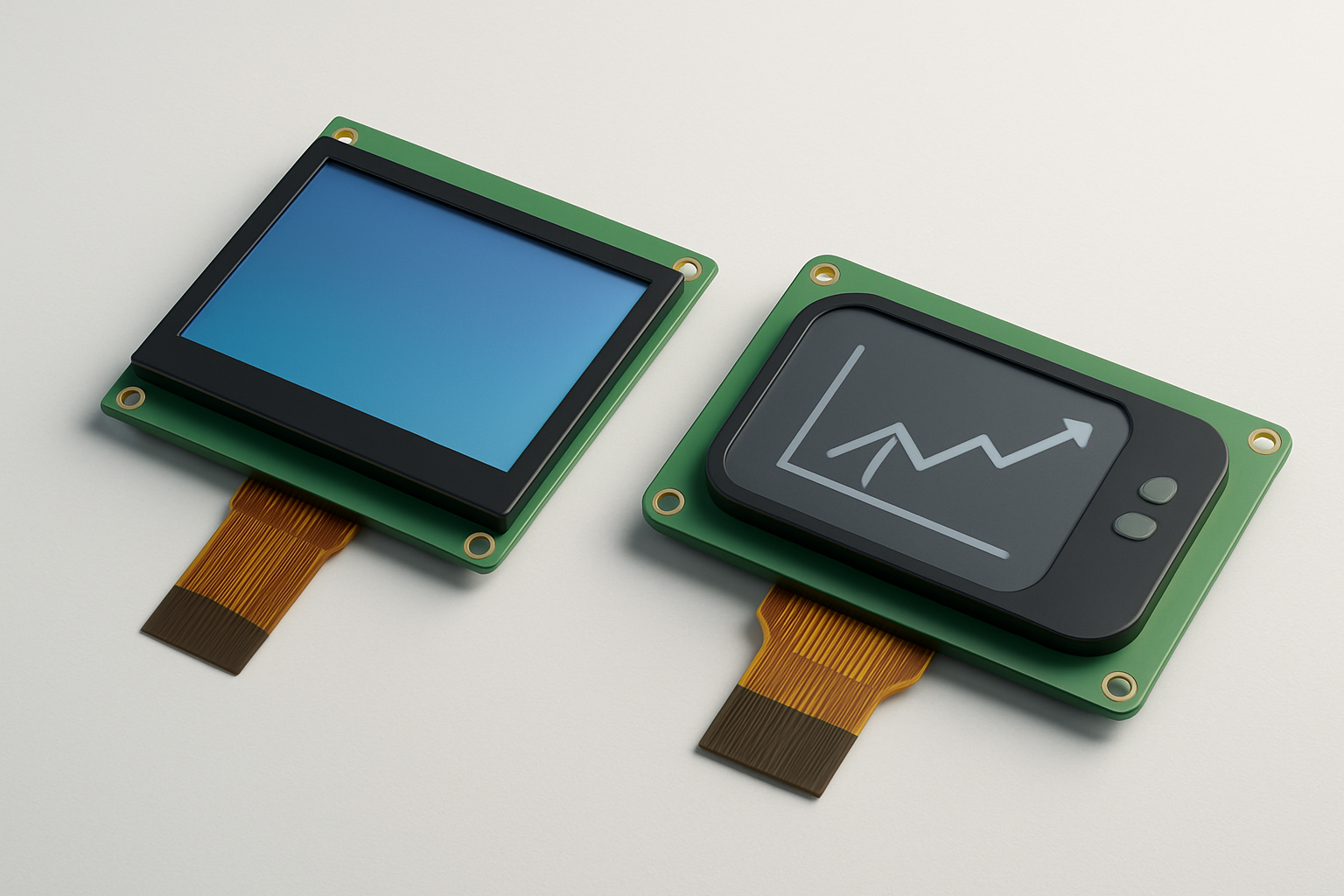
When designing a new product, one of the critical decisions involves selecting the appropriate display module. Engineers and product designers must weigh the benefits of standard display modules against the advantages of custom solutions. This article delves into the differences between standard and custom display modules, helping you make an informed decision on when it’s worth opting for a custom display.
Understanding Standard Display Modules
Standard display modules are pre-manufactured products that meet common specifications. They are readily available from suppliers, including BIBA Electronics, and can be quickly integrated into various applications.
Advantages of Standard Display Modules:
- Cost-Effective: Given their mass production, standard modules typically have lower costs, making them suitable for budget-sensitive projects.
- Shorter Lead Times: Since these modules are available off-the-shelf, they can significantly reduce lead times, enabling faster product launches.
- Proven Reliability: Standard modules have been tested and validated in various applications, ensuring reliability and reducing the risk of failure.
- Wide Selection: A wide range of sizes, resolutions, and technologies (TFT, LCD, etc.) are available, allowing for versatility in design.
Disadvantages of Standard Display Modules:
- Limited Customization: Standard modules may not meet specific design requirements, such as unique dimensions or functionalities.
- Potential Overhead: You may pay for features that your project does not require, leading to unnecessary costs.
Exploring Custom Display Modules
Custom display modules are tailor-made to meet the specific requirements of a project. They can include unique sizes, shapes, functionalities, and even specific interface requirements.
Advantages of Custom Display Modules:
- Tailored Solutions: Custom displays can be designed to meet precise requirements, allowing for unique product differentiation.
- Enhanced Functionality: Custom displays can integrate additional features, such as touch capabilities or specific brightness levels, that standard modules may not offer.
- Optimized Space: Custom dimensions and designs can optimize space in compact devices, making them ideal for applications like medical devices or kiosks.
- Branding Opportunities: Companies can incorporate unique aesthetic elements into custom displays, enhancing brand identity.
Disadvantages of Custom Display Modules:
- Higher Costs: Custom solutions often require a higher investment due to design, engineering, and production costs.
- Longer Lead Times: The design and manufacturing process can extend lead times, potentially delaying product launches.
When to Choose Custom Display Modules
Deciding whether to go with a standard or custom display module involves evaluating several factors:
1. Project Requirements:
- If your project has unique specifications that standard modules cannot meet, custom displays are often the better choice.
2. Volume and Budget:
- For low-volume projects with a limited budget, standard displays may be more viable. However, if your project anticipates high volume and can justify the initial investment, custom solutions may prove beneficial in the long run.
3. Time Constraints:
- If time is critical, standard displays can provide immediate solutions. Conversely, if you can afford longer lead times for a tailored solution, custom displays may be worth considering.
4. Future Scalability:
- If your product is likely to evolve or expand in functionality, designing a custom display from the outset can save time and cost on future iterations.
How to Choose the Right Display Module
When selecting between standard and custom display modules, consider the following checklist:
- Define Product Specifications: Detail the required dimensions, resolution, brightness, and any additional features.
- Evaluate Project Budget: Assess how much can be allocated for display solutions and whether the investment in a custom module is justified.
- Assess Production Volume: Determine the anticipated production volume to evaluate the cost-effectiveness of custom solutions.
- Consider Time-to-Market: Factor in lead time and how it impacts your overall project timeline.
- Consult with Suppliers: Engage with suppliers like BIBA Electronics to discuss options and seek their expertise in navigating the decision.
Conclusion
Choosing between standard and custom display modules is a critical decision that requires careful consideration of project requirements, budget, and timelines. While standard displays offer a quick and cost-effective solution, custom displays can provide tailored functionalities that enhance product differentiation and user experience.
If you're considering whether a custom display module is right for your next project, we encourage you to contact BIBA Electronics for expert guidance, samples, or quotations tailored to your needs. Our team is ready to assist you in finding the optimal display solution for your application.
BIBA Electronics: electronics manufacturing, TFT displays and embedded design in Gurugram, India.