What Makes a Display Sunlight Readable and When You Need It
Insights · 13 September 2026 · 4 min read · By Pratik Jhunjhunwala
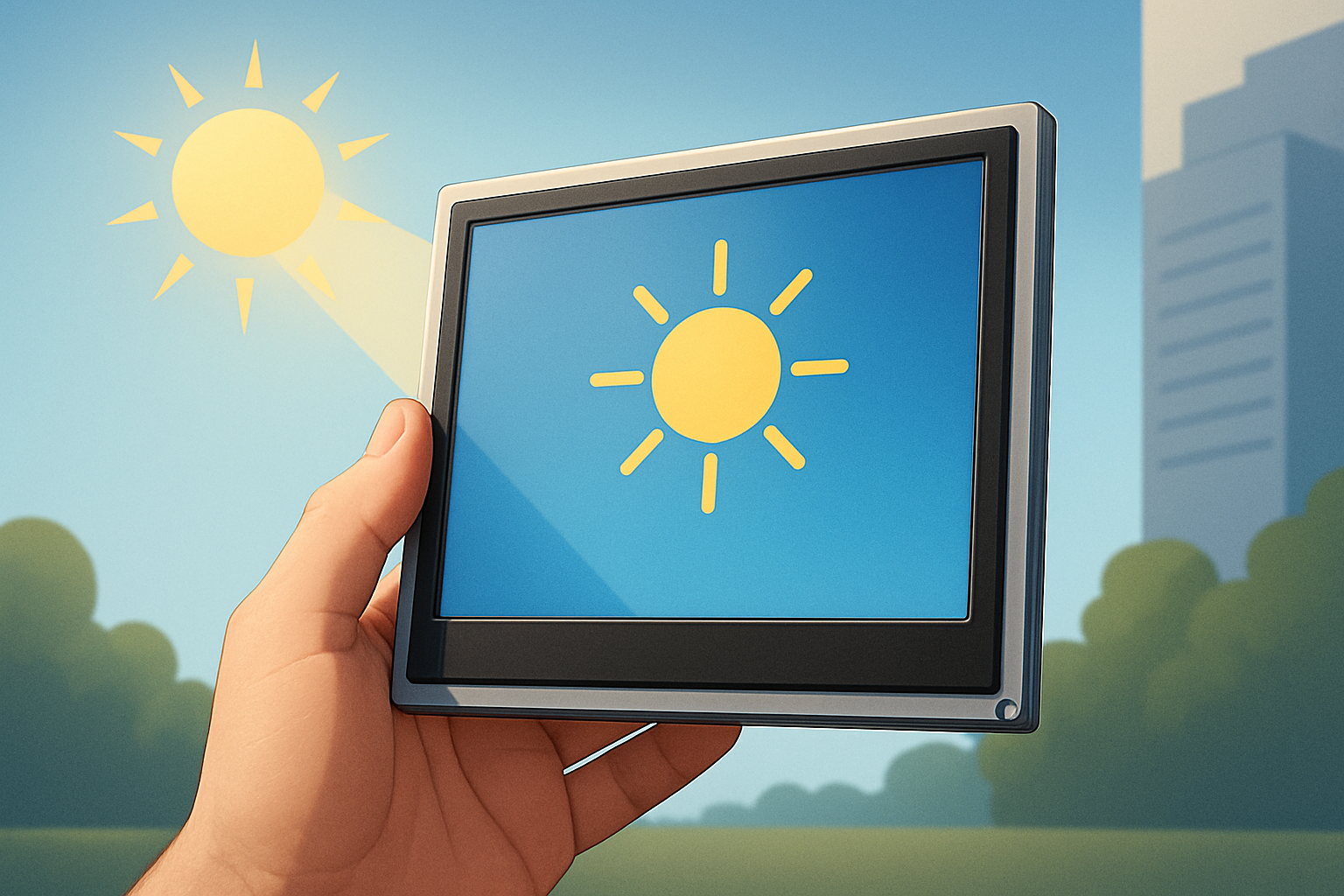
In today's diverse electronics landscape, selecting the right display technology is crucial for ensuring optimal visibility in various lighting conditions. Sunlight readable displays are specifically designed to perform well under direct sunlight, making them an essential choice for outdoor applications. This article delves into what makes a display sunlight readable and when you should consider using one in your projects.
Key Features of Sunlight Readable Displays
-
High Brightness: One of the primary characteristics of a sunlight readable display is its exceptional brightness level, often exceeding 1000 nits. This high brightness ensures that the content on the screen remains visible even in bright sunlight.
-
Anti-Reflective Coating: Sunlight readable displays commonly feature anti-reflective coatings that minimize glare. This coating helps to reduce the amount of ambient light reflecting off the screen, making the display easier to read.
-
Enhanced Contrast Ratio: A high contrast ratio is essential for visibility in bright environments. Sunlight readable displays typically have a contrast ratio of at least 1000:1, ensuring that the display content stands out against the bright background.
-
Transflective Technology: Many sunlight readable displays utilize transflective technology, which combines transmissive and reflective properties. This allows the display to utilize ambient light to enhance visibility while still providing excellent performance under direct sunlight.
-
Wide Viewing Angles: Sunlight readable displays are often designed with wide viewing angles to ensure that the content can be seen clearly from various positions. This is particularly important in applications where multiple users might view the display from different angles.
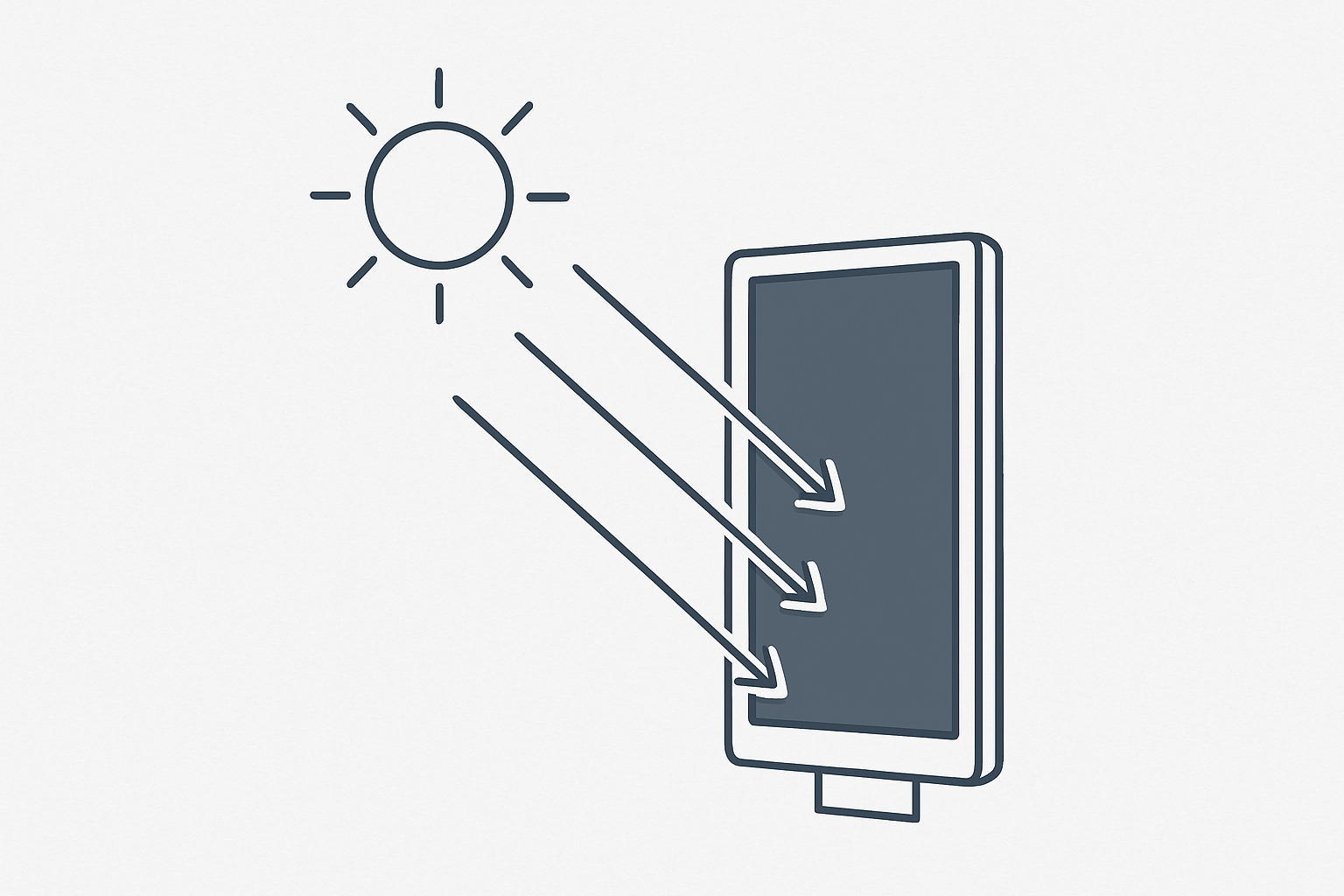
When Do You Need a Sunlight Readable Display?
Choosing a sunlight readable display is essential for certain applications, particularly those that operate outdoors or in bright environments. Here are some scenarios where you should consider using a sunlight readable display:
-
Outdoor Kiosks: Information kiosks, wayfinding systems, and ticket vending machines that are exposed to direct sunlight require displays that can be easily read without significant glare.
-
Automotive Displays: Instrument clusters and dashboards in vehicles, particularly in electric vehicles (EVs) and outdoor machinery, benefit from sunlight readable displays to ensure drivers can access critical information at a glance.
-
Industrial Equipment: Equipment used in harsh outdoor conditions, such as construction machinery, agricultural devices, and marine applications, often requires displays that can withstand bright sunlight.
-
Smart Appliances: Appliances used in outdoor settings, such as smart grills or garden equipment, should utilize sunlight readable displays to enhance user interaction and visibility.
How to Choose the Right Sunlight Readable Display
When selecting a sunlight readable display for your application, consider the following factors:
-
Brightness Level: Assess the brightness requirements based on the environment where the display will be used. A brightness level of at least 1000 nits is typically recommended for outdoor applications.
-
Contrast Ratio: Choose a display with a high contrast ratio to ensure readability in bright conditions. Look for displays with at least a 1000:1 ratio for optimal performance.
-
Viewing Angle: Determine the typical viewing angles for your application. Ensure that the display offers wide viewing angles to accommodate users viewing from different positions.
-
Durability: Consider the environmental conditions (e.g., temperature, humidity) the display will face. Choose a display that can withstand these conditions without compromising performance.
-
Technology: Evaluate the various display technologies available, including TFT LCD and OLED, and how they perform in sunlight. TFT LCDs with anti-reflective coatings are often a preferred choice due to their balance of durability and visibility.
Conclusion
Understanding what makes a display sunlight readable is fundamental for engineers and procurement managers involved in specifying display solutions for outdoor or brightly lit applications. By considering factors such as brightness, contrast ratio, and viewing angles, you can ensure that your display solution meets the visibility requirements of your project.
BIBA Electronics offers a range of sunlight readable display options, including high-brightness TFT LCDs, ideal for outdoor environments. If you require further assistance or would like to request a quotation or samples, feel free to contact us.
BIBA Electronics: electronics manufacturing, TFT displays and embedded design in Gurugram, India.