Best Practices for Selecting an LCD Driver IC for Custom Display Designs
Insights · 13 November 2026 · 4 min read · By Pratik Jhunjhunwala
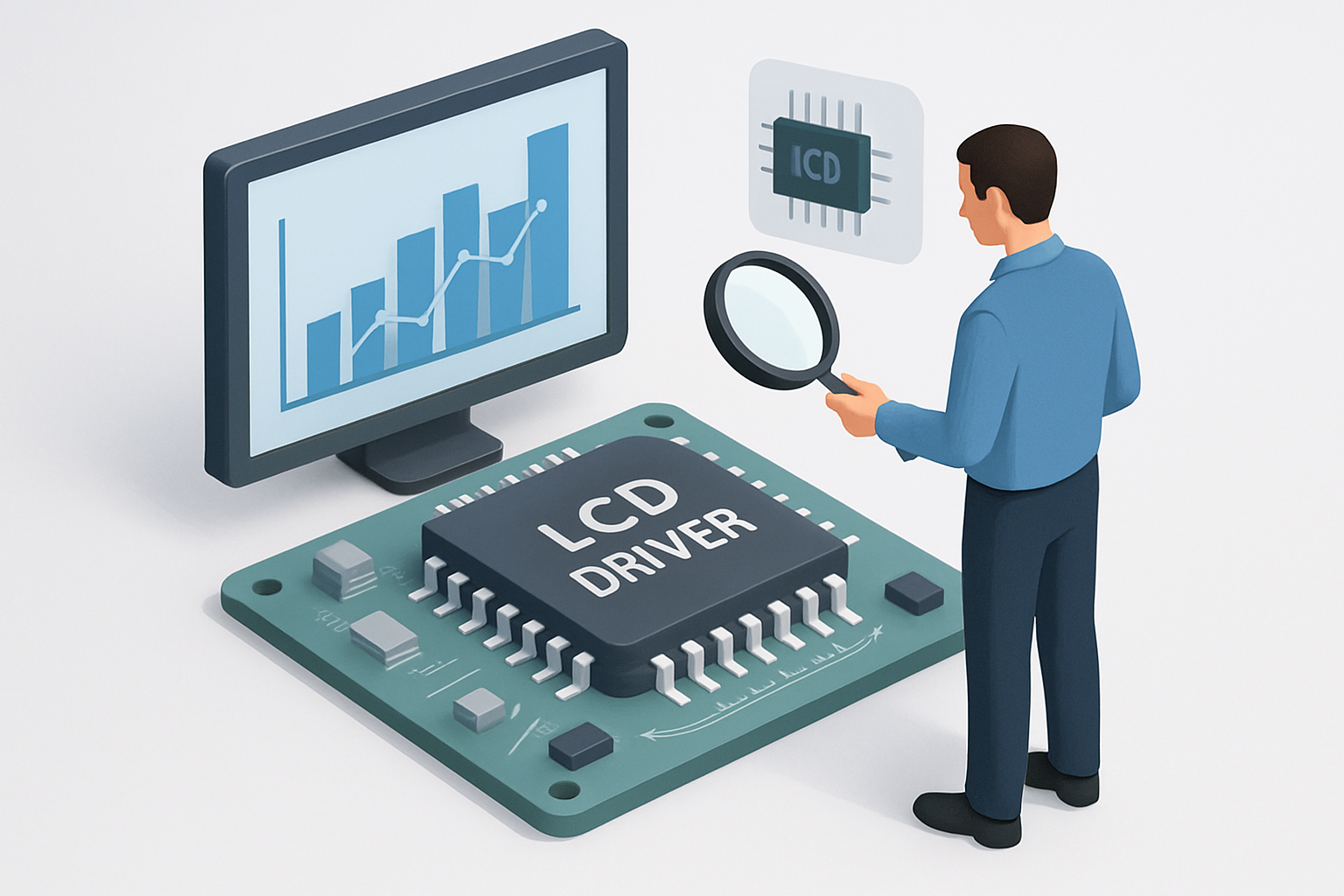
When designing custom displays, selecting the right LCD driver IC is crucial for performance, reliability, and overall functionality. This article outlines the best practices for choosing an LCD driver IC, particularly for segmented LCDs, while ensuring that your design meets the requirements of various applications, such as medical devices, industrial HMIs, and energy meters.
Understanding LCD Driver ICs
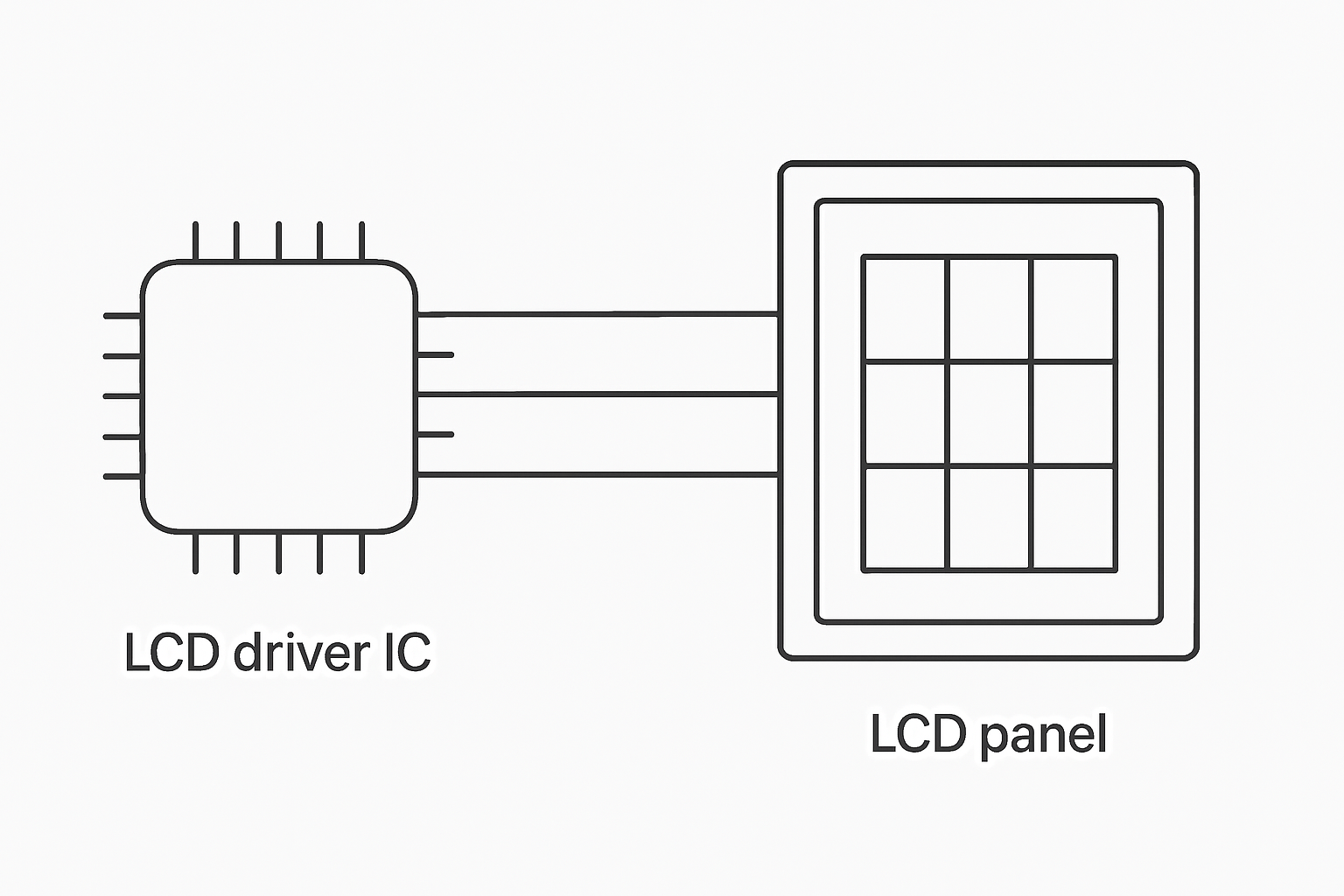
LCD driver ICs are essential components that control the operation of an LCD panel. They manage tasks such as voltage regulation, signal conversion, and driving the display's pixels. Choosing the right driver IC can significantly impact the display's responsiveness, clarity, and power consumption.
Key Considerations for Selection
-
Compatibility with Display Type: Ensure that the driver IC is compatible with the specific type of LCD you are using, whether it's a TN, HTN, FSTN, or segmented LCD. Each type has unique electrical characteristics that the driver IC must accommodate.
-
Interface Type: Determine the interface type (e.g., SPI, I2C, parallel) that best fits your application. The choice of interface affects communication speed and complexity in your design.
-
Operating Voltage and Power Consumption: Understand the voltage requirements of your LCD and select a driver IC that can operate within that range. Also, consider the power consumption—especially for battery-operated devices. Lower power consumption can extend device lifespan.
-
Number of Segments: If you're working with segmented LCDs, ensure that the driver IC can handle the number of segments required by your display. This is particularly important for applications like energy meters and panel meters, which may have many segments to display data.
-
Temperature Range and Environmental Conditions: Consider the operating environment of your device. Ensure that the LCD driver IC can function within the expected temperature range and can withstand conditions such as humidity, vibration, and shock.
-
Availability of Resources: Choose a driver IC that has ample documentation, including datasheets and application notes. This will aid in the design process and troubleshooting during development.
-
Cost and Lead Time: Evaluate the cost of the driver IC, including any minimum order quantities and lead times. For manufacturers, sourcing components from a reliable supplier, like BIBA Electronics, can ensure timely delivery and quality assurance.
Practical Steps for Choosing an LCD Driver IC
-
Research and Compare: Start by researching various driver ICs suitable for your display type. Compare specifications such as voltage ranges, segment support, and communication protocols.
-
Prototype Testing: Once you have shortlisted a few driver ICs, prototype your design to test compatibility and performance. Keep an eye on factors such as response time, power consumption, and display clarity.
-
Consult the Manufacturer: Don't hesitate to reach out to the LCD driver IC manufacturer or supplier for advice. Their insights can be invaluable in making the right choice.
FAQ: Common Questions on LCD Driver ICs
What is the role of an LCD driver IC?
The LCD driver IC controls the voltages and signals sent to the LCD panel, enabling it to display images or text effectively.
How do I find the right driver IC for my custom segmented LCD?
Identify the specifications of your segmented LCD, including the number of segments and voltage requirements, then match these with the capabilities of available driver ICs.
Can I use a generic driver IC for all types of LCDs?
No, different LCD types have unique electrical characteristics, and using a generic driver IC may lead to suboptimal performance or even damage the display.
Conclusion
Selecting the right LCD driver IC is a critical step in the development of custom display solutions. By considering factors such as compatibility, interface type, power consumption, and environmental conditions, you can ensure optimal performance for your application. If you require assistance or would like to explore custom segmented LCD solutions, feel free to contact BIBA Electronics, a trusted LCD display supplier in India, for quotations or samples.
BIBA Electronics: electronics manufacturing, TFT displays and embedded design in Gurugram, India.